
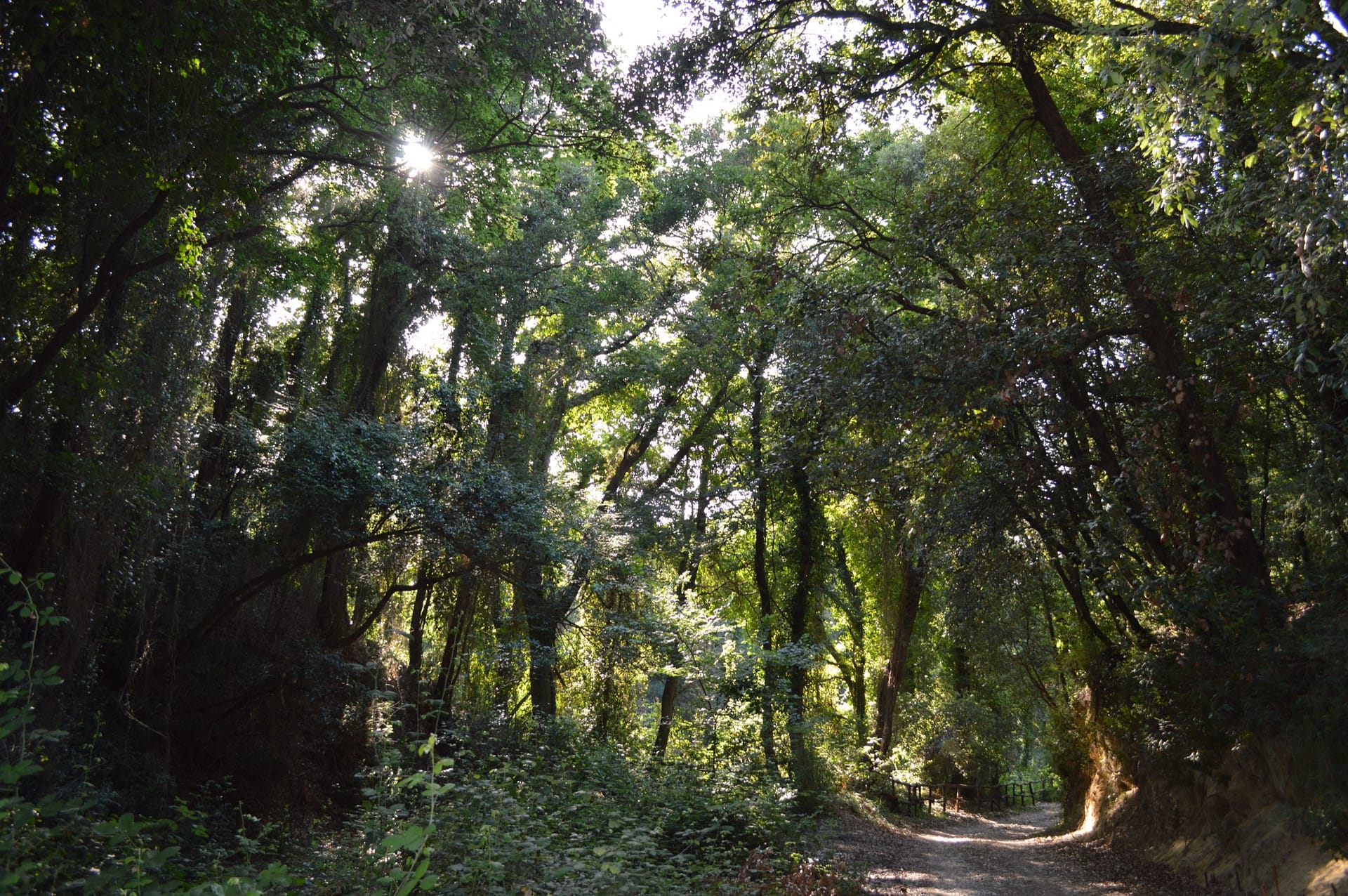
Between the Sangro River and the Adriatic Sea, on an ancient fossil dune dating back to the Pliocene epoch, lies one of the rarest natural treasures of the Italian coast: the Torino di Sangro Coastal Holm Oak Forest. One hundred and eighty hectares of holm oak forest, with centuries-old trees towering over 15 meters high, offering a direct view of the sea.
This is no ordinary forest. It is the only natural coastal forest in Abruzzo and one of the very few along the entire Italian Adriatic coast. For this reason, it has been protected as a Regional Nature Reserve since 2001.
Why the holm oak grows here where it shouldn’t
Quercus ilex, the holm oak, is a Mediterranean evergreen suited to warm climates and well-drained soils. On the central Adriatic coast, however, climatic conditions should be too continental to support it in such extensive formations. Yet here it thrives. Ecologists explain this anomaly with a combination of geological and geographical factors:
- The Pliocene sandy substrate, a remnant of ancient coastal dunes, drains well and warms up quickly—creating a local warm microclimate.
- The east-facing exposure toward the sea mitigates the winter frosts typical of the inland areas.
- The natural protection from the bora wind provided by the hills behind.
The result is a unique ecological phenomenon: pure Mediterranean scrub—holm oak, phillyrea, mastic, myrtle, wild asparagus—just 200 km from the Alps, on a coast that at these latitudes would typically be dominated by pines and deciduous oaks.
What to see on a visit
The Reserve’s main trail is a loop of about 4 km that can be covered in two hours at a leisurely pace. It starts at the Le Morge information point and passes through various habitats: a dense holm oak forest, an area of clearings with wild orchids in spring, the dune belt with coccolone juniper, and the beach.
Along the route, you’ll find three wildlife observation towers. From these, especially in spring and in the early morning hours, you can spot:
- Migratory birds: gray herons, little egrets, kingfishers on the river.
- Nocturnal mammals: badgers, foxes, porcupines (traces are also visible during the day on the sandy paths).
- Reptiles: the Coluber viridiflavus, the "biacco," a harmless green-and-yellow snake that is very common.
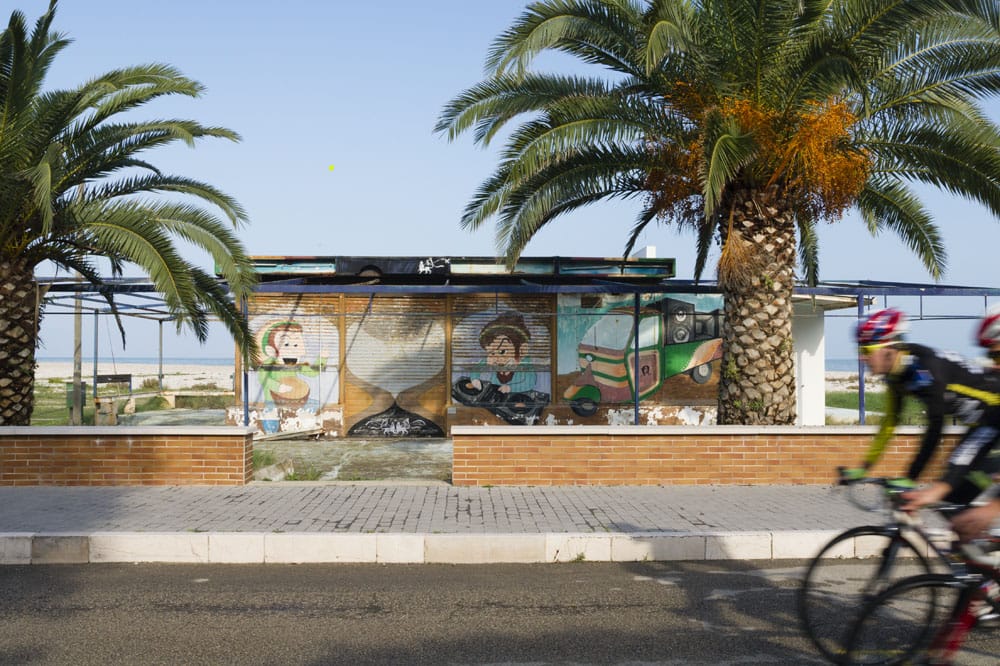
“There is no other place on the Adriatic where a holm oak grows with its roots in the sand and a view of the sea just 100 meters away.”
The history of conservation
The idea to protect the holm oak forest emerged in the 1980s thanks to the work of some naturalists from Chieti and pressure from local environmental associations. Regional Law 6/2001 established the Guidata Regional Nature Reserve, initially managed by the Province of Chieti and today by WWF Abruzzo in collaboration with the Municipality.
Over the past twenty years, the area has undergone renaturalization efforts: removal of Aleppo pines artificially planted in the 1960s, restoration of eroded dunes, and monitoring of invasive species (particularly the South African Carpobrotus, which must be removed by hand).
When to go
- Spring (April–May): the best season, with orchids in bloom and mild weather.
- Summer: the dense canopy filters the heat, but early morning is recommended.
- Fall: tranquility, vibrant colors, and excellent conditions for migratory birdwatching.
- Winter: open, with a unique atmosphere, but check the weather (wet sand can make some sections slippery).
Sources and further reading
- Abruzzo Region — Protected Areas and Regional Nature Reserves
- WWF Italy — Lecceta di Torino di Sangro Nature Reserve
- Abruzzo Regional Law 6/2001 — Establishment of the “Lecceta di Torino di Sangro” Guided Regional Nature Reserve.
- Various Authors, The Adriatic Coastal Forests, Carsa Edizioni, Pescara, 2018.
Voci della comunità
Sei il primo a lasciare un ricordo
Le storie del paese vivono nei dettagli che ognuno ricorda. Aneddoti, foto di famiglia, nomi dimenticati: tutto contribuisce a tenere viva la memoria.


Lascia il tuo ricordo