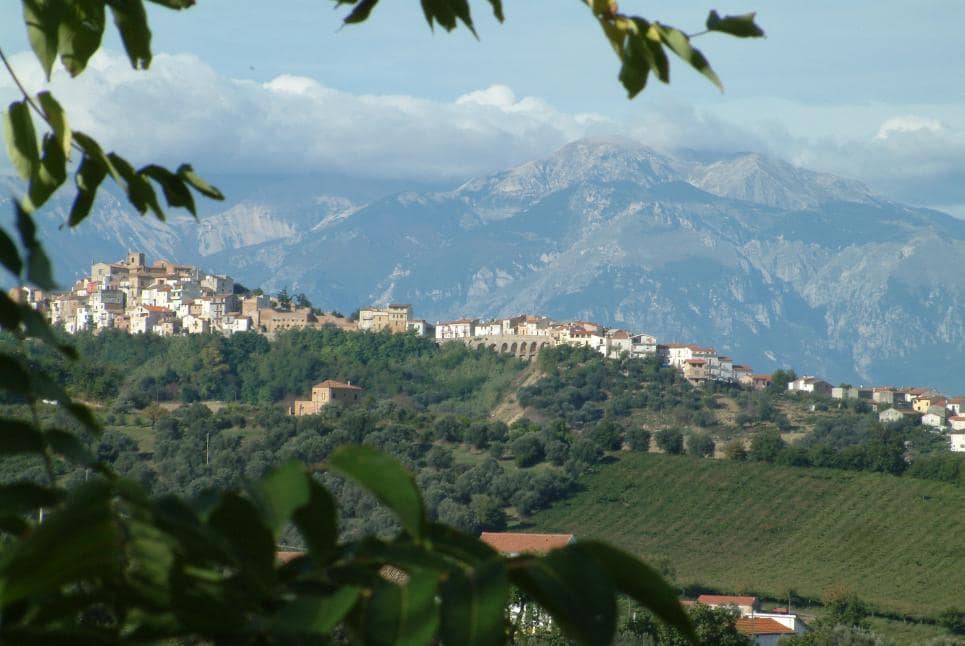
On the evening of December 31, in many towns along the lower Sangro River and in the Vasto area, something takes place that looks like a street performance from the outside but is, from the inside, a small ancient ritual. A group of people—four, six, or eight singers, along with a few musicians playing the accordion and tambourine—knock on doors. When the doors open, they sing a verse in dialect. It is a Maitunata.
What are they
Maitunate (also "Mai'tinate," "Maitenate") are end-of-year carols: short verses, with auspicious or satirical themes, performed door-to-door. Etymologically, the term is debated. The most widely accepted hypotheses:
- From the Latin "matutinum" — the morning chant, an ancient liturgical song.
- From Old French "mâtines" — the first canonical office.
- From a popular root linked to "matutina," dawn: the singing continued until the first light of the new year.
The area of distribution is specific: a stretch of the Adriatic coast in Abruzzo and Molise running from Ortona to Termoli, with epicenters in Vasto, Casalbordino, San Salvo, Termoli itself, and throughout the Sangro Valley up to the Teatine hinterland.
The structure of the song
A classic Maitunata consists of:
- Opening greeting — a greeting to the family, best wishes for the new year.
- Main body — this can be laudatory (praising the hosts by name), sentimental (a love song), or satirical (mocking a local event, a person, or a local politician).
- Closing — a request for a small gift: a glass of wine, a dessert, a few coins “for the boys.”
The meter is simple, the rhymes almost always end-rhymed or alternating. The language is the Vasto-Sangro dialect, with all its distinctive musicality.
“Good evening to this family, / we’ve come to perform the Maitenate. / Tell us now if you love us / or tell us we must go.” — traditional opening stanza.
The social ritual
It was—and still is—a highly codified practice:
- The groups of singers are all-male or mixed, with a capomaitenata who improvises verses specific to the house being visited.
- They knock on the door after dinner, from 10:00 p.m. onward, and continue past midnight.
- A “closed” house is a minor slight: traditionally, the singer would have responded with a critical verse.
- The gifts are symbolic: a glass of mulled wine, a few pizzelle, an orange, a small offering.
- The highlight is the improvised verse about the family being visited—it showcases the singer’s talent.
The Risk of Disappearing
In the 1960s and 1970s, with urbanization, the arrival of television, and the decline of neighborhood social life, the Maitunate were in serious danger of disappearing. Over the past twenty years, however, municipalities and associations in the Vasto area have launched an active revival effort: in Vasto, the “Festival della Maitunata” is held every December 30; in Casalbordino and some smaller towns, singing evenings are organized in the square before New Year’s Eve.
In Torino di Sangro, as in many small towns, the tradition survives in a more spontaneous form: groups of friends, especially those of a certain generation, go from house to house every year. Not always all night long, not always improvising, but with a shared repertoire that keeps the language and the tradition alive.
For those who want to hear some
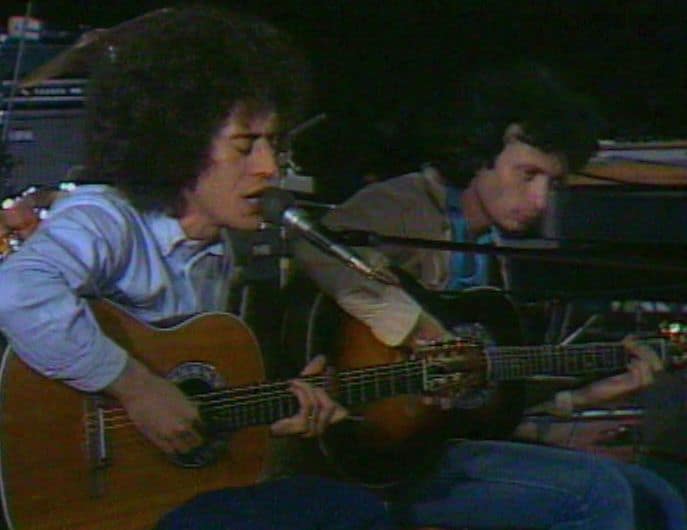
- The pre-New Year’s Eve concerts by some folk groups from the Vasto area (Folkabbestia, Ottomarzo, local groups) perform restored Maitunate.
- The Abruzzo Region’s sound archive has vintage recordings available for consultation.
- On the evening of December 31, strolling through the center of Torino di Sangro between 10 p.m. and midnight, it is still possible to come across a small group of singers in search of a few glasses of wine.
Sources and Further Reading
- Gennaro Finamore, Tradizioni popolari abruzzesi, Loescher, Turin, 1890.
- Domenico Ciccarelli, The Maitunate of the Vastese, Edizioni Cannarsa, Vasto, 2010.
- Abruzzo Region — Intangible Ethno-Anthropological Heritage
- Abruzzo Folk Sound Archive, “G. d’Annunzio” University of Chieti-Pescara.
Voci della comunità
Sei il primo a lasciare un ricordo
Le storie del paese vivono nei dettagli che ognuno ricorda. Aneddoti, foto di famiglia, nomi dimenticati: tutto contribuisce a tenere viva la memoria.


Lascia il tuo ricordo