
On September 29, the Catholic liturgical calendar celebrates the three archangels—Michael, Gabriel, and Raphael. But in Abruzzo, and throughout rural Southern Italy, it is St. Michael the Archangel who matters most. He is the patron saint of shepherds, mountains, and caves; the winged warrior who fights the dragon, depicted with a sword and a scale.
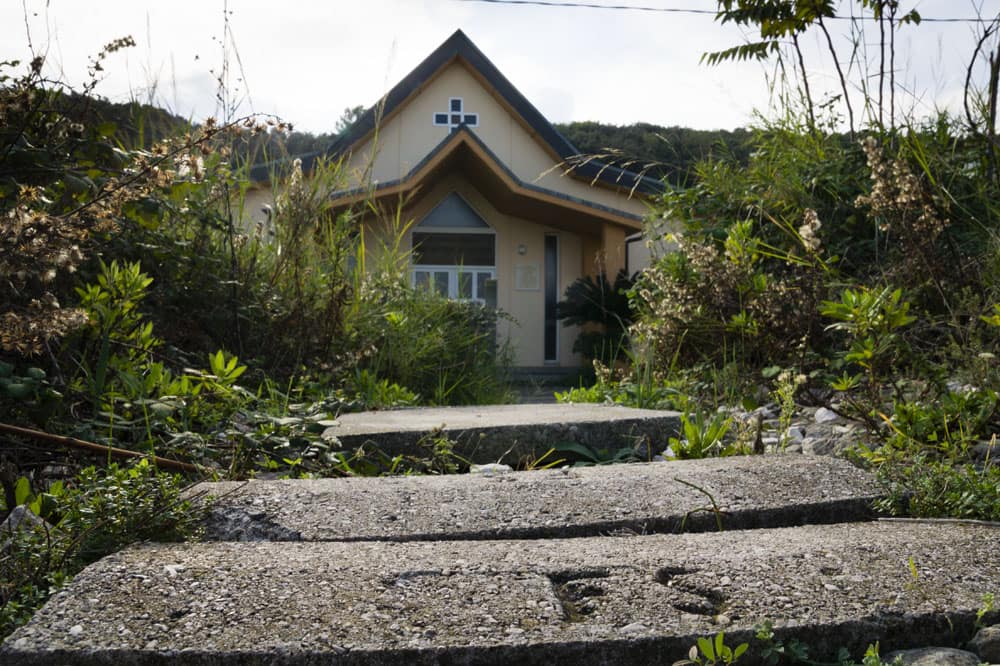
Why he matters in Abruzzo
St. Michael is one of the saints most deeply rooted in southern popular spirituality for specific reasons:
- He is the patron saint of transhumance — September 29 was the day when Abruzzo shepherds, having led their flocks to the high pastures of the Maiella and Gran Sasso, began their descent toward the Tavoliere plain in Apulia, along the Tratturo Magno. The festival coincided with the payment of the fida pasture, the grazing tax, and with the return to families after the summer in the highlands.
- He is the patron saint of high places—almost all the caves and peaks in Abruzzo have a chapel or a wayside shrine dedicated to him. The most famous is the Grotta di San Michele in Liscia, but the hills of Turin also preserve rural shrines.
- It marks the end of the agricultural season—September 29 is “mid-season day”: after San Michele, the sharecroppers’ summer officially ends, the harvest is tallied, and thoughts turn to the autumn sowing.
“On St. Michael’s Day, the lamb was weighed”: an Abruzzese proverb recalling the day when shepherds settled accounts with the owners of the flocks.
Folk rituals
In the peasant calendar, St. Michael’s Day had contractual significance. It was the traditional date for agricultural contracts: seasonal wages were paid, sharecropping agreements were renewed, and it was determined who would work the fields the following year. Accounts were settled, and one “came down with the grace of St. Michael,” as they still say.
On a ritual level:
- Blessing of the flocks upon their return to the plains.
- Arrosticino Festival — it is no coincidence that many Abruzzo festivals celebrating sheep meat are concentrated between late September and October, when part of the flock was slaughtered before winter.
- Chestnuts — the first autumn product, already available by St. Michael’s Day.
- Must and the first bottles of the new wine — the grape harvest wraps up during these weeks.
In Torino di Sangro
The town, like many hilltop communities in the Sangro area, has always viewed September 29 as a day of transition: no formal patron saint’s feast (the patron saint is Our Lady of Loreto), but a family dinner featuring the flavors of the season—stewed mutton, fava beans and chicory, fresh cheese, and cooked must.
In recent years, some rural districts have resumed organizing country dinners on the Saturday closest to September 29: pasta alla chitarra, arrosticini, new wine, and an evening bonfire. Nothing formal: the festival that truly marks the end of summer in Torino di Sangro.
Sources and Further Reading
- Domenico Petrocelli, I tratturi e la civiltà della transumanza in Abruzzo, Carsa Edizioni, Pescara, 2002.
- Sanctuary of St. Michael the Archangel (Monte Sant'Angelo, Puglia) — a historic site of the cult of St. Michael
- Emiliano Giancristofaro, Tradizioni popolari d'Abruzzo, Newton & Compton, Rome, 1995.
- Treccani, entries on Transhumance and Tratturo.
Voci della comunità
Sei il primo a lasciare un ricordo
Le storie del paese vivono nei dettagli che ognuno ricorda. Aneddoti, foto di famiglia, nomi dimenticati: tutto contribuisce a tenere viva la memoria.


Lascia il tuo ricordo